Since the beginning of the COVID-19 pandemic, oncologists have been warning about dangerous gaps in cancer diagnosis and treatment. Now, a nationwide study based on data from the Veterans Affairs Hospital is sending out new alarms.
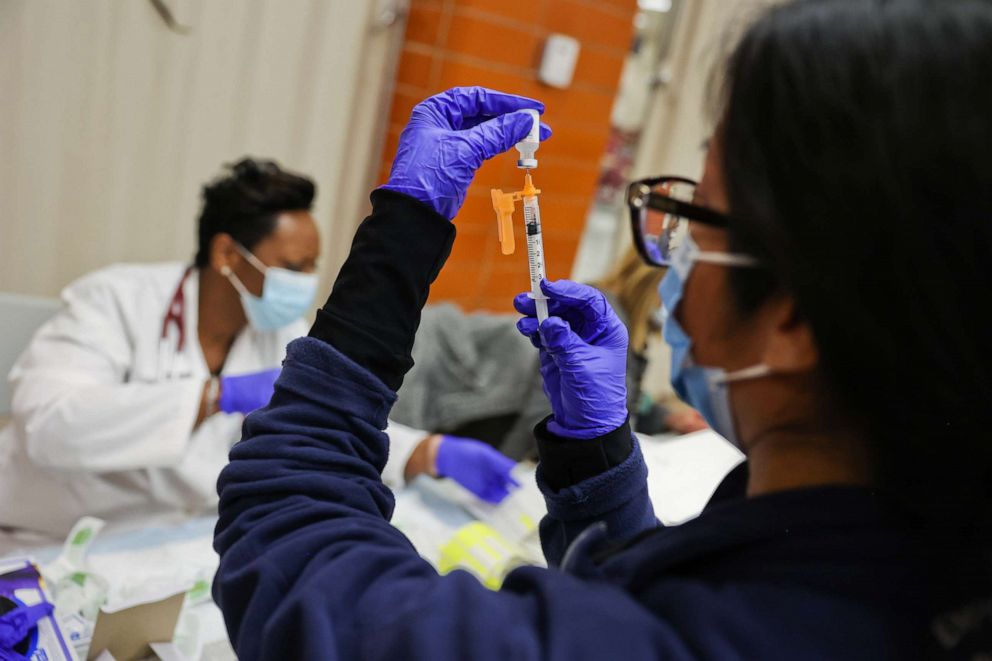
Since March 2020, COVID-19 has interrupted surgery and treatment for cancer patients. At various times during the pandemic, some states also require medical institutions to suspend selective procedures, many of which include cancer screenings to protect resources during the COVID surge.
"This is a very worrying area," said Dr. Norman "Ned" E. Sharpless, director of the National Cancer Institute, in an interview with Cancer Prevention Research. "The pandemic has affected cancer screening in a dramatic way... There has been a large screening deficit in the past 12 months-millions of screening campaigns have been missed," Sharpless added.
Compared with the annual average based on 2018 and 2019, the number of completed colonoscopy has dropped by 45%; according to online research published on the website of the National Center for Biotechnology Information, the proportion of prostate biopsies in 2020 has dropped by 29 %; Cystoscopy for the diagnosis of bladder cancer dropped by 21%.
Researchers in the study estimate that by 2020, new diagnoses of prostate cancer, lung cancer, colorectal cancer, and bladder cancer have also fallen by 13% among veterans who analyze data.
As the country got rid of the first wave of COVID-19 infection, the decline in cancer screening and diagnosis in the first few months of the pandemic has been alarming. In April 2020, breast cancer, colorectal cancer and prostate cancer screening dropped sharply. Estimates based on statistical models highlight that due to the pandemic care interruption, 3.9 million cases of breast cancer and 3.8 million cases of colorectal cancer may have been missed And 1.6 million cases of prostate cancer. According to data from JAMA Oncology, the overall population of the United States.
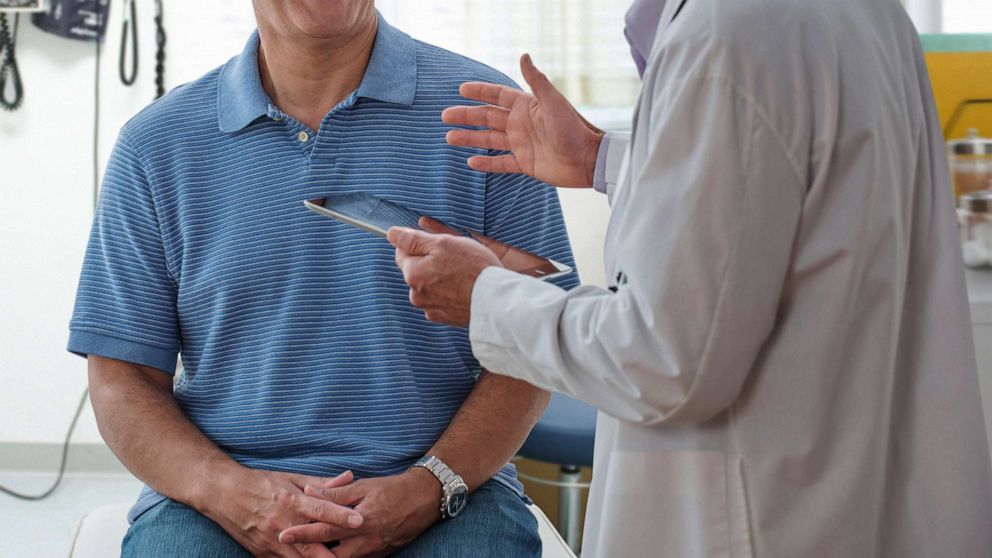
The Centers for Disease Control and Prevention also reported that in April 2020, breast cancer screening tests fell 87%, and cervical cancer screening tests fell 84%.
"Like other cancer centers, we have observed a significant drop in routine cancer screening at the beginning of the pandemic, and it has only partially recovered," Dr. Brian McPhee, associate chief physician at Moffitt Cancer Center, told ABC News. Therefore, according to McIver, some patients are later diagnosed with more advanced cancers, and appropriate screening programs may diagnose these cancers earlier.
Calculating the number of missed cancers and the proportion of other patients at risk is difficult, and additional time is needed to collect data-national organizations, such as NCI, are actively pursuing and monitoring this effort.
Of course, cancer screening tests for asymptomatic people and often used to detect certain types of cancer early are not the only way to find cancer diagnosis. Patients usually learn about their illness after they develop symptoms and see a doctor.
However, hospitals continue to face challenges in catching up and offsetting existing deficiencies in important routine cancer screening tests and imaging, and the numbers of them have not yet returned to their pre-pandemic baseline levels.
"We are unlikely to have the infrastructure to fully catch up," Sharpless said in an interview. During the pandemic, patients themselves are unwilling to seek medical attention, which further complicates the situation.
Dana’s Chief Medical Officer, Dr. Craig Bunnell, said: “There are many moving parts. You have to increase [medical] capabilities above the pre-pandemic baseline... [and] frankly, medical The system is overwhelmed now." Farber Cancer Institute to ABC News. "[Then,] Some people missed their test, [they may] continue to postpone or skip [dating] altogether."
"There is no reason to believe that the incidence of cancer will decrease," Bonnell said. Conversely, cancer “is likely to be diagnosed at a more advanced stage where there may be fewer treatment options.”
As the new omicron changes are spreading across the country, and there may be a surge in cases in the winter, doctors urge patients to continue to take safety measures and keep their medical appointments as much as possible. "COVID-19 should not prevent any of us from receiving appropriate medical care, including related cancer screenings," McPherson said.
This article was written by Adela Wu, a neurosurgery resident at Stanford Hospital, edited by ABC, and edited by the Asia-Pacific Health Association (APHA) Press Office. For more information, please visit the official website of the Asia Pacific Health Association (APHA): www.apha.org.cn.